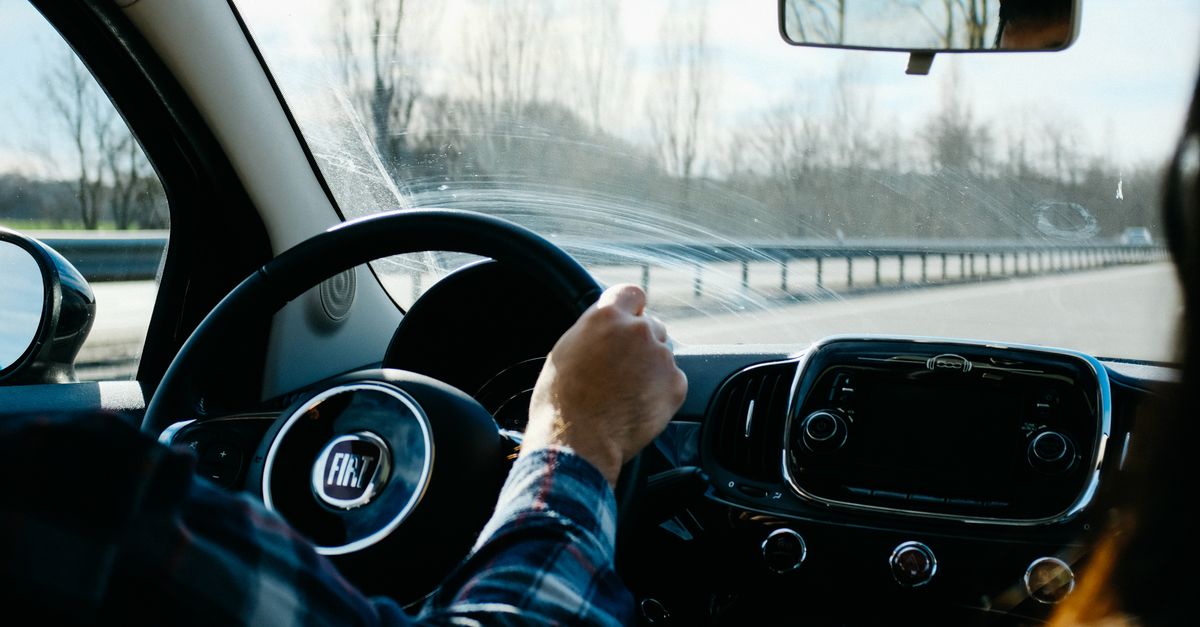
The Benefits of Learning Manual Transmission for New Drivers
Table Of Contents
Increased Focus and Engagement
Driving a manual vehicle demands heightened attention from the driver. Each gear shift requires precise timing and coordination. This involvement keeps the driver actively engaged, making them more aware of their surroundings and driving conditions. As a result, new drivers become more adept at anticipating changes in traffic and road conditions, fostering safer driving habits.
Enhanced focus while operating a manual transmission can also lead to a richer driving experience. With every change in gears, drivers develop an intimate understanding of their vehicle’s performance. This connection cultivates a sense of mastery, as drivers learn to listen to their engine and respond to its needs. Such engagement can turn routine driving into an enjoyable and immersive activity.
Developing a Deeper Connection with the Vehicle
Drivers who learn to operate a manual transmission often find themselves gaining a significant understanding of automotive mechanics. The hands-on experience of shifting gears and managing the clutch fosters a greater appreciation for how a vehicle functions. This knowledge can lead to better decision-making while driving, as new drivers become more aware of engine sounds, performance, and the nuances that differentiate automatic and manual systems.
Feeling each gear change provides immediate feedback that enhances driving skills. This tactile engagement creates a sense of control, allowing drivers to respond more intuitively to the vehicle’s movements. As they navigate through different gears, they become attuned to the vehicle’s rhythm. Such a connection transforms driving into an immersive experience rather than a mere task, cultivating a deeper respect for the art of driving itself.
Boosted Confidence Behind the Wheel
Driving a manual transmission vehicle can significantly enhance a new driver's confidence. Mastering the coordination between the clutch, gears, and accelerator creates a deeper understanding of vehicle mechanics. As learners progress from stalling to seamless gear changes, they develop a sense of control that translates to greater composure on the road. This growing proficiency allows drivers to handle their vehicles with assurance, even in challenging situations.
Additionally, the experience of successfully navigating various driving scenarios reinforces self-belief. Overcoming the initial hurdles of manual driving can lead to a sense of accomplishment that boosts overall confidence. This feeling extends beyond just the act of driving to everyday life, as new drivers carry this newfound self-reliance into other areas. Navigating diverse environments further solidifies their abilities, empowering drivers to tackle any road with ease.
Overcoming Challenges of Manual Driving
Adapting to the complexities of manual driving presents a range of challenges for new drivers. Mastering the coordination of clutch, accelerator, and gearshift requires practice and patience. Many beginners find hill starts particularly daunting, as they must balance the vehicle’s momentum while preventing rollback. This skill becomes easier with experience and contributes to the confidence that comes from overcoming such hurdles.
With time, drivers develop a better understanding of their vehicle’s behaviour and the subtleties involved in smooth gear changes. Learning to anticipate engine sounds and responding to them enhances driving skills significantly. Each challenge faced is an opportunity to build resilience and competence, leading to a more rewarding driving experience. Such capabilities not only improve performance but also foster a sense of accomplishment that encourages further growth on the road.
Learning to Drive in Diverse Environments
Navigating diverse environments is an essential skill for any new driver, especially those learning manual transmission. Off the beaten track or through urban areas, mastering a stick shift allows drivers to adapt their techniques to varying conditions. Manual driving involves an intricate understanding of engine behavior, enabling a heightened awareness of the vehicle's capabilities in different terrains. This adaptability fosters a greater sense of control and preparation for unpredictable driving scenarios.
As drivers encounter varying road conditions, their experience behind the wheel becomes more enriching. From negotiating steep hills to handling slippery surfaces, mastering manual transmission equips learners with crucial skills. Each environment presents unique challenges, prompting drivers to think critically and refine their techniques continually. These experiences not only improve driving prowess but also instill a sense of independence and resilience, valuable traits in both driving and life.
Adapting to Different Road Conditions
New drivers who learn to operate a manual transmission often find themselves better equipped to handle a variety of driving conditions. Whether navigating hilly terrain, wet roads, or slippery surfaces, mastering manual gear changes provides an enhanced level of control. Drivers learn to modulate power and speed effectively, allowing them to respond swiftly to unexpected challenges. This hands-on approach to driving fosters an instinctive understanding of how a vehicle behaves under various conditions.
Navigating through diverse environments also involves a greater awareness of the surrounding landscape and traffic patterns. Manual transmission encourages drivers to pay close attention to their vehicle's behaviour, fostering a proactive driving style. This heightened sense of responsibility can lead to improved decision-making in real-time situations, helping new drivers adapt seamlessly as they encounter different road conditions. In turn, this adaptability is crucial for building long-term driving skills.
FAQS
What are the main benefits of learning to drive a manual transmission?
Learning to drive a manual transmission can increase focus and engagement, help develop a deeper connection with the vehicle, boost confidence behind the wheel, and prepare drivers for diverse driving environments and road conditions.
Is driving a manual car more challenging than driving an automatic?
Yes, driving a manual car requires more coordination and attention to detail, as drivers must manage the clutch and gear shifts. However, this challenge can lead to greater confidence and a better understanding of vehicle dynamics.
Can learning to drive a manual transmission improve my driving skills overall?
Absolutely! Learning to drive a manual can enhance your overall driving skills by promoting better coordination, awareness of road conditions, and an understanding of how to handle a vehicle in various situations.
Are there any specific environments where driving a manual is particularly beneficial?
Yes, driving a manual transmission can be especially beneficial in hilly or challenging terrains, where engine braking and gear selection play a crucial role in vehicle control.
Will learning manual transmission limit my options for vehicles in the future?
Not necessarily. While automatic transmissions are more common today, knowing how to drive a manual can open up more vehicle options, especially with sports cars, vintage models, and in certain countries where manuals are still popular.
Related Links
Tips for Mastering Gear Changes During Manual Driving LessonsUnderstanding the Mechanics of Manual Driving in Geelong
How Manual Driving Experience Enhances Road Safety Skills
Preparing for Manual Driving Tests: A Complete Guide
Comparing Manual and Automatic Lessons: What to Choose
Essential Techniques for Smooth Manual Driving in Geelong